Quality Taxidermy: What a Lifetime Mount Really Means
Quality Taxidermy: What a Lifetime Mount Really Means
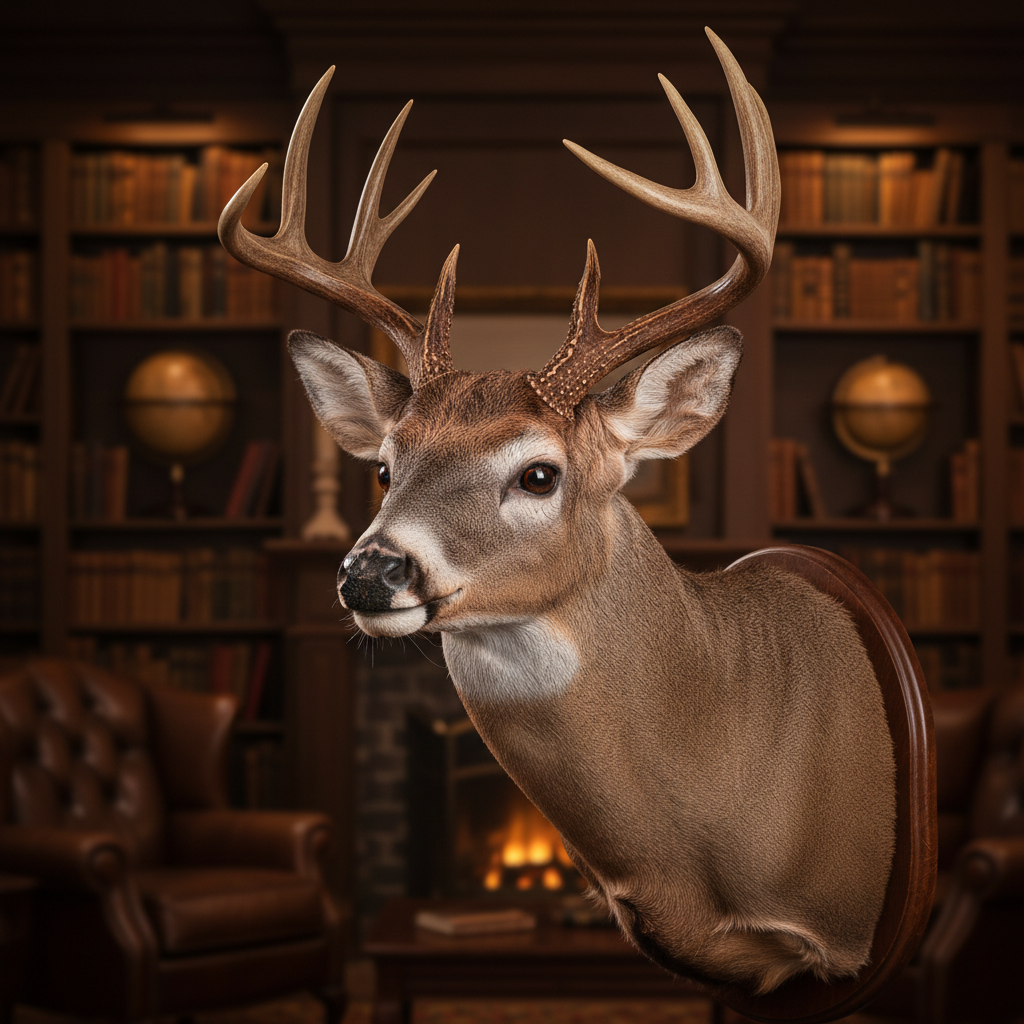
You spent three seasons chasing that specific 10-pointer across the ridges of Shelby County, waited for the perfect northwest wind, and finally made the shot of a lifetime—only to have your memory literally rot on the wall five years later because you chose the "budget" guy. It’s a heartbreaking story we hear too often at Bourbon & Buck Taxidermy. When we talk about quality taxidermy, we aren’t just talking about a mount that looks good for the first six months; we are talking about durable craftsmanship that survives the humid Kentucky summers and remains a centerpiece for your grandkids to admire. A true lifetime mount is an investment in your hunting legacy, utilizing the best taxidermy materials for longevity to ensure that Whitetail mounts don't just occupy space, but tell a story that never fades. Whether you are a seasoned hunter or just landed your first trophy, understanding how to maintain a lifetime taxidermy mount starts with knowing what goes on under the hide. As the premier Louisville taxidermist, we believe Deer taxidermy should be a permanent record of your skill and respect for the animal, not a ticking clock of decay.
The Bourbon & Buck "Integrity Scale" for 2026
- Tier 1: The Souvenir (1-5 years): Cheap tanning, hardware store glues, and generic forms.
- Tier 2: The Standard (5-15 years): Basic commercial tanning but lacks anatomical detail and UV protection.
- Tier 3: The Lifetime Mount (50+ years): Premium taxidermy materials, custom-sculpted forms, and hospital-grade tanning chemistry.
In this guide, we’re pulling back the curtain on the industry secrets that separate the artists from the hobbyists. If you want your trophy to look as alive in 2050 as it did the day you picked it up, you need to understand the anatomy of excellence.
Quality Taxidermy: Why Cheap Mounts Fail Every Time
The most expensive mount you will ever buy is a cheap one, because you’ll eventually have to pay a professional to fix it—or worse, throw it in the trash. When a hunter asks why our quality taxidermy costs more than the guy working out of a shed for $300, the answer lies in the physics of decay. Cheap mounts fail because they prioritize speed and low-cost taxidermy materials over biological stability. Have you ever noticed a mount where the skin seems to be pulling away from the eyes, or the nose looks like it’s shriveling into a raisin? That is the result of "drumming," a phenomenon where the skin wasn't properly tanned or tucked, causing it to shrink and pull tight across the form like a drumhead.
What most people get wrong: They think "tanning" is just a single step. In reality, cheap taxidermists often use "dry preserve" or wipe-on tanning creams. These methods don't actually change the protein structure of the hide; they just temporarily pickle it. Within a few years, the humidity here in Louisville will cause those fibers to re-hydrate, leading to rot, hair loss, and a distinct "old basement" smell that no amount of Febreze can fix. Durable craftsmanship requires a multi-week chemical process that turns the skin into actual leather, ensuring it stays supple and bonded to the mannikin forever.
"Price is what you pay; value is what you keep. A cheap mount is a temporary decoration; a lifetime mount is a permanent legacy."
Furthermore, budget taxidermy often uses sub-par adhesives and clay. Over time, these materials crack and shrink, creating gaps around the tear ducts and mouth lines. When you invest in a Louisville taxidermist who understands Whitetail mounts, you’re paying for the invisible work—the hours of degreasing, the premium resins, and the anatomical accuracy that keeps the hide exactly where it belongs for the next half-century.
Durable Craftsmanship: The Anatomy of a World-Class Mount
A world-class mount is a masterpiece of engineering hidden beneath a layer of fur. To achieve durable craftsmanship, we have to think like both an artist and a structural engineer. The foundation of every lifetime mount is the mannikin. While many shops use generic, out-of-the-box forms, a premium Louisville taxidermist will customize that form to match the specific measurements of your harvest. No two bucks are shaped exactly the same; using a "standard" form leads to skin tension, which is the enemy of longevity.
The Internal Layers of Longevity
- The Core: High-density, closed-cell polyurethane foam that won't absorb moisture or collapse over time.
- The Muscle: Non-shrinking professional grade sculpting clay used to recreate the intricate details of the face, brisket, and neck.
- The Bond: Advanced latex-based adhesives that provide a permanent, flexible bond between the hide and the form, allowing for micro-movements in temperature changes without cracking.
- The Finish: Museum-grade glass eyes with asymmetrical pupils and hand-painted nictitating membranes for a "wet" look that never dulls.
When we talk about how to maintain a lifetime taxidermy mount, the best maintenance is starting with this level of detail. Whitetail mounts built this way don't require constant repair; they just need a light dusting. This anatomical precision ensures that the skin sits naturally, with zero stress points. If the skin isn't fighting to stay on the form, it won't pull, tear, or degrade. This is the hallmark of quality taxidermy: the beauty you see is supported by a structure you can trust.
Taxidermy Materials: How Premium Supplies Prevent Fading
Sunlight is the silent killer of even the best Deer taxidermy, but the right taxidermy materials act as a shield against time. Most hunters know not to hang their mount in direct sunlight, but few realize that even ambient UV rays and indoor lighting can bleach the rich browns and grays of a Whitetail’s coat over a decade. This is where quality taxidermy separates itself. We utilize specialized UV-inhibitors during the finishing process—think of it as high-end sunscreen for your trophy.
The paints and pigments used in the finishing work are equally critical. Have you ever seen a mount where the nose and mouth look like they were painted with a Sharpie? Over time, cheap acrylics will fade to a dull purple or grey. We use specialized, oil-based taxidermy pigments and airbrush techniques that mimic the translucency of real skin. These taxidermy materials are designed to bond with the leather and the epoxy, ensuring the "wet" look of the nose and the delicate pinks of the inner ear remain vibrant for 50 years or more.
What are the best taxidermy materials for longevity?
For a lifetime mount, we look for four specific material markers:
- Lightfast Pigments: Ensuring the color doesn't shift under LED or halogen lighting.
- Acid-Free Tanning Agents: Preventing the leather from becoming brittle (known as "red rot").
- Stainless Steel Hardware: Using stainless pins and screws inside the mount so they never rust and stain the cape from the inside out.
- High-Density Ear Liners: To maintain the thin, elegant profile of a deer's ear without warping.
By investing in these premium supplies, we ensure that your durable craftsmanship isn't just a buzzword, but a scientific reality. Your mount won't just survive; it will thrive in your home environment, maintaining its showroom glow long after the "budget" mounts have faded into obscurity.
The Secret Tanning Process for a True Lifetime Mount
If the mannikin is the skeleton, the tan is the soul of the mount. You cannot have quality taxidermy without a professional-grade tan. There is a massive difference between "home tanning" and the commercial wet-tan process we use for every lifetime mount. Most hobbyists use a dry preserve—a powder they rub on the skin—which merely dries the skin out. This is a recipe for disaster. Dry-preserved skins are highly susceptible to bugs and moisture. A real tan involves a complex chemical re-structuring of the hide’s collagen fibers.
Our secret process involves a multi-stage bath. First, the hide is degreased to remove all natural oils that could go rancid. Then, it’s pickled in an acid bath to lower the pH, which opens up the fibers to accept the tanning oils. Finally, the hide is neutralized and tumbled. This creates a piece of leather that is as soft and durable as a high-end Italian leather jacket. This is the only way to ensure durable craftsmanship in Whitetail mounts.
"A professionally tanned hide can be folded, stretched, and moved without ever cracking. If your taxidermist isn't sending their hides to a professional tannery, they are cutting a corner that will eventually cost you your trophy."
This process is why our Deer taxidermy takes a bit longer. We refuse to rush the chemistry. When you ask what are the best taxidermy materials for longevity, the answer always starts with the tan. A commercially tanned cape will not shrink, will not smell, and will not attract pests. It is the ultimate insurance policy for your hunting memories, ensuring that your Louisville taxidermist is providing you with a product that truly lasts a lifetime.
Quality Taxidermy: Why Louisville Hunters Invest in the Best
In Louisville, we don't just hunt; it’s a way of life passed down through generations. From the opening of bow season in the humid heat of September to the peak of the rut in the frosty November woods, Kentucky hunters put in the work. It only makes sense that the final result of that work—the mount—reflects the same level of dedication. Quality taxidermy in the Ohio River Valley carries a specific challenge: our wild humidity swings. A mount that stays stable in the dry air of Montana might fall apart in the muggy air of a Louisville summer if not built correctly.
That’s why local hunters invest in durable craftsmanship. They want a Louisville taxidermist who understands the local climate and the specific anatomy of Bluegrass bucks. Our deer here are healthy, thick-necked, and carry unique coat colorations that require an artist’s eye to replicate. When you walk into a home in Glenview or a hunting cabin in Spencer County, a lifetime mount from Bourbon & Buck stands out. It’s not just a deer on the wall; it’s a piece of fine art that commands the room.
Why Louisville hunters choose the lifetime path:
1. Legacy Preservation: They want their kids to see the buck they talk about every Thanksgiving.
2. Investment Protection: After spending thousands on leases, gear, and tags, saving $200 on a mount is a poor financial decision.
3. Anatomical Accuracy: Kentucky hunters know what a deer looks like. They won't settle for a "cartoonish" mount that loses the majestic essence of the animal.
Taxidermy Materials: What Most People Get Wrong
There is a dangerous myth in the hunting community that "all taxidermy is basically the same." This couldn't be further from the truth. What most people get wrong is focusing on the external appearance on the day of pickup rather than the taxidermy materials used internally. You can make a poorly tanned hide look good for a week with enough pins and paint, but time always reveals the truth. One of the biggest misconceptions involves the use of Custom Tanning versus "in-house" shortcuts.
Custom Tanning: The Non-Negotiable Standard
Many shops claim to do "custom tanning," but they are actually just using a brush-on chemical. True custom tanning means the hide is sent to a specialized tannery where it undergoes a 12-week process in giant circulating vats. This is the gold standard for quality taxidermy. It ensures the tan penetrates every cell of the hide. If your taxidermist is finishing your mount in three months, they aren't using a professional tannery—period. Durable craftsmanship takes time because chemistry cannot be hurried.
Another common error is the use of cheap hardware-store caulking for detail work. While it looks okay initially, it eventually off-gasses and shrinks, leading to the "cracked nose" look. We use only specialized taxidermy epoxies that are designed to remain stable for 100 years. When you understand what are the best taxidermy materials for longevity, you realize that every single component—from the thread used to sew the back to the clay in the tear ducts—must be museum-grade. Anything less is just a countdown to failure.
Durable Craftsmanship: How to Protect Your Hunting Legacy
Once you’ve invested in a lifetime mount, the question becomes: How to maintain a lifetime taxidermy mount? Even with the world's most durable craftsmanship, a little bit of care goes a long way in preserving your Whitetail mounts. Think of it like a classic car—it’s built to last, but you still have to dust it and keep it out of the rain. The good news is that quality taxidermy is remarkably easy to maintain if you follow a few simple rules.
The Bourbon & Buck Maintenance Protocol
- Dusting: Use a soft-bristled paintbrush or a specialized taxidermy duster once a month. Always dust in the direction of the hair—never against the grain.
- Eye Care: Use a Q-tip with a tiny amount of glass cleaner to keep the eyes sparkling. Avoid getting any cleaner on the surrounding skin or "eyelid" area.
- Climate Control: Keep your mount in a temperature-controlled environment. Avoid hanging it directly above a roaring fireplace or right under an A/C vent, as extreme temperature fluctuations can stress the leather.
- The "No Touch" Rule: The oils on human hands can attract dust and degrade the hair over decades. Encourage admirers to look, but not pet.
By following these steps, you ensure the taxidermy materials stay in peak condition. Your hunting legacy isn't just about the harvest; it's about the respect you show the animal after the hunt is over. At Bourbon & Buck Taxidermy, we don't just build mounts; we build time machines that take you back to that crisp Kentucky morning every time you look at them. If you’re ready to stop settling for "good enough" and want a trophy that will truly last a lifetime, let’s talk about your next project. Your legacy deserves nothing less than the best.
Bird Taxidermy: The Definitive Small Game Mount Guide

Taxidermy Turnaround: Why Honest Craftsmanship Takes Time