Bird Taxidermy: The Definitive Small Game Mount Guide
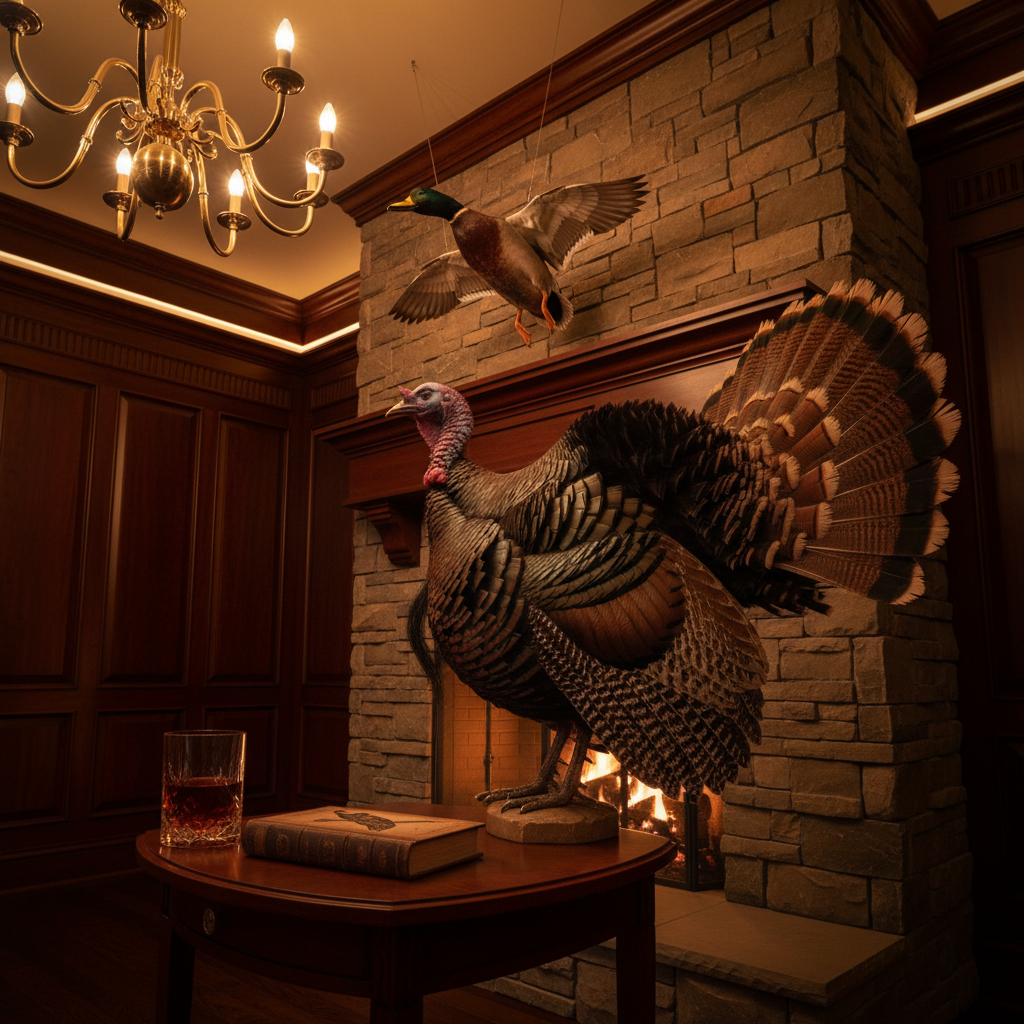
Bird Taxidermy: A Guide to Your Next Small Game Mount
You spent hours in the blind, the Kentucky morning air crisp against your face, waiting for that perfect moment when the wings set—and now, you want to make sure that memory doesn't fade into a dusty, stiff relic on the wall. Whether you're looking for world-class bird taxidermy, a lifelike small game mount, or expert turkey preservation, the difference between a masterpiece and a mistake starts long before you walk into the shop. At Bourbon & Buck, we specialize in waterfowl taxidermy, Game Taxidermy, and Trophy Mounts that honor the spirit of the hunt through high-end Wildlife Preservation. If you've been searching for the Best waterfowl taxidermy services near Louisville KY, you know that quality is non-negotiable. You aren't just looking for a decoration; you're looking to freeze a moment of adrenaline in time. But here is the hard truth: most taxidermy fails because the process is rushed or the anatomy is ignored. In this guide, we’re going to pull back the curtain on what makes a mount last for generations and how much does a turkey preservation mount cost in today's market.
High-end taxidermy is an investment in your legacy. When you bring a bird or a small mammal to a professional, you are trusting them with a piece of your history. We don't take that lightly. From the iridescent shimmer of a Mallard’s head to the aggressive posture of a spring gobbler, every detail must be perfect. Let’s dive into the secrets of the trade that separate the amateurs from the masters.
Why Bird Taxidermy Often Fails: 3 Essential Field Tips
Most hunters unknowingly ruin their trophy before they even climb back into the truck, and it breaks my heart to see a once-in-a-lifetime bird arrive at the studio in a condition that even the best artist can't fully fix. Bird skin is incredibly delicate—think of it like wet tissue paper—and the feathers are held in place by a complex system of follicles that react to every bump, drop, and temperature change. If you want a mount that looks like it’s about to take flight, you have to be the first line of defense in the field.
1. The 'Cotton & Cone' Method
Immediately after the harvest, check for blood. If you let blood dry on white feathers (like those on a Pintail or a Snow Goose), it can permanently stain the plumage. Carry a small container of cornmeal or even just some paper towels. Gently dab the blood—don't rub—and tuck a small piece of paper towel into the bird's mouth to prevent internal fluids from leaking onto the breast. Pro Tip: Slide the bird head-first into a nylon stocking or a dedicated bird bag to keep the feathers pinned tight against the body during transport.
2. Temperature Is Your Greatest Enemy
We’ve all seen it: a beautiful bird sitting on the dashboard of a warm truck while the hunters grab lunch. This is a recipe for 'slipping.' Slipping occurs when bacteria begin to break down the skin, causing the feathers to literally fall out in clumps. If the temperature is above 40 degrees, that bird needs to be on ice or in a cooler immediately. At Bourbon & Buck, we use the '4-Hour Rule': if the bird isn't cooled within four hours of harvest, the microscopic integrity of the skin begins to degrade.
3. The Freezer Burn Trap
If you aren't bringing your bird to us the same day, do not just throw it in a grocery bag. Thin plastic allows air to reach the feet and beak, causing them to shrivel and become brittle. Wrap the feet in wet paper towels, tuck the head under a wing to protect the neck, and double-bag it in heavy-duty freezer bags, squeezing out every ounce of air. This ensures that when we begin the bird taxidermy process, we are working with supple, hydrated skin rather than 'leatherized' remains.
Waterfowl Taxidermy: The Art of Perfect Feather Alignment
A duck is a masterpiece of aerodynamics and iridescent color, yet many shops treat waterfowl taxidermy like they’re stuffing a pillowcase. To get that 'wet' look on a Wood Duck or the perfect 'V' on a Canada Goose's chest, you have to understand the 12 distinct feather tracts on a bird's body. If even one tract is misaligned, the bird looks lumpy, unnatural, and amateurish.
We take pride in being known for the Best waterfowl taxidermy services near Louisville KY because we don't skip the most grueling step: degreasing. Waterfowl are evolutionary marvels packed with fat to keep them warm in freezing Kentucky waters. If that fat isn't 100% removed from the skin, it will eventually seep through the feathers, turning your beautiful mount yellow and rancid over time. We use a multi-stage tumbling process with specialized sawdust and degreasing agents to ensure the skin is surgically clean before it ever touches a form.
The 'Preening' Phase: Once the bird is mounted, the real work begins. We spend hours with fine-tipped tweezers, 'preening' every single feather into its natural groove. It’s a meditative, painstaking process. We look at the way the wind would naturally catch the feathers in a banking turn or a landing pose. This attention to detail is why our Trophy Mounts stand out. We aren't just preserving a bird; we are recreating a moment of flight that honors the bird's dignity and the hunter's skill.
Turkey Preservation: 4 Ways to Honor Your Spring Gobbler
That 2 a.m. wake-up call, the smell of damp earth in the hardwoods, and that first thunderous gobble that vibrates in your chest—a spring turkey hunt is a spiritual experience for many Kentucky hunters. Such a feat deserves more than a fan tacked to a piece of plywood in the garage. Turkey preservation has evolved into a true art form, offering multiple ways to showcase your bird depending on your space and budget.
1. The Full Strut: This is the gold standard. It captures the bird in its most iconic, aggressive state. It requires a significant amount of floor or wall space, but nothing commands a room like a gobbler in full display. 2. The 'Gobbling on a Limb' Pose: This is a favorite for those who want to remember the moment the bird first broke the silence of dawn. It’s a vertical mount that works beautifully in corners. 3. The Strutting Half-Body: A brilliant compromise for those with limited space, this mount features the head, breast, and fan, appearing to 'burst' out of the wall. 4. The Custom Tail/Beard Display: For a more minimalist approach, we create custom woodwork that incorporates the fan, beard, and spurs, often including the spent shell casing from the hunt.
A common question we hear is, 'How much does a turkey preservation mount cost?' In 2025, a professional full-strut turkey mount typically ranges from $850 to $1,400. While you can find cheaper 'garage' options, remember that turkeys are notoriously difficult to mount. Their skin is thin, and their heads require professional freeze-drying or high-end hand-painted reproductions to look lifelike. At Bourbon & Buck, we include custom habitat bases—Kentucky moss, real dirt, and weathered wood—to ensure your bird looks like it just stepped out of the Bluegrass forest.
What Most People Get Wrong About Bird Taxidermy Anatomy
The biggest lie in the industry is that 'a bird is just a bird.' In reality, the anatomy of a diving duck is fundamentally different from a puddle duck, and a turkey's skeletal structure is a world away from a pheasant. What most people get wrong about bird taxidermy is the 'S-curve' of the neck. Many amateur mounts feature a neck that looks like a straight pipe or a stiff garden hose. In nature, a bird’s neck is incredibly fluid, often tucked and folded in ways that seem impossible until you study the muscular anatomy.
Another common mistake is 'over-stuffing.' Many taxidermists think more filler makes a bird look 'healthier.' In reality, it makes them look like a Thanksgiving parade float. We use precise measurements taken from the carcass to ensure the mount has the exact girth and profile of the bird you harvested. This commitment to Game Taxidermy excellence is why our clients travel from all over the state to our Louisville studio.
The Truth About Small Game Mount Durability and Care
Your small game mount shouldn't have an expiration date. If done correctly, a mount should look just as vibrant twenty years from now as it does the day you pick it up. However, durability is a two-way street between the taxidermist's technique and the owner's care. We use a proprietary tanning and bug-proofing process that deeply penetrates the hide, making it unappetizing to dermestid beetles and moths—the silent killers of many a trophy room.
Protecting Your Legacy in Louisville
Louisville’s humidity can be a nightmare for Wildlife Preservation. High moisture levels can cause skins to swell and shrink, leading to cracking around the nose and eyes. We recommend keeping your mounts in a climate-controlled environment where the humidity stays between 40% and 50%. Avoid placing your mount directly under an air vent or in the path of direct sunlight, which will bleach the vibrant colors of a wood duck or the rich reds of a fox's fur in just a few years.
- Dusting: Use a soft feather duster or compressed air (held at a distance) once a month. Never use damp cloths on feathers.
- Inspection: Every six months, check the base of the fur or feathers for any signs of 'dust' or debris, which could indicate a pest issue.
- Professional Cleaning: Every 5–7 years, bring your major pieces back to the shop for a professional 'refresh' where we clean the feathers and re-apply UV protectants.
By following these simple steps, you aren't just maintaining a decoration; you're protecting an heirloom that tells the story of your life as a sportsman.
Ready for Your Small Game Mount? Start Your Project Today
You did the hard work in the field—the early mornings, the miles hiked, the patient waiting, and the perfect shot. Now, let us do the hard work in the studio to ensure that moment never fades. Whether it’s a teal from the Ohio River or a trophy gobbler from the Kentucky hills, your harvest deserves to be treated with the highest level of respect and artistic skill. We don't just 'stuff' animals; we tell stories in three dimensions.
Spaces fill up quickly, especially during the peak waterfowl and spring turkey seasons. If you want to ensure your trophy is handled by the best in the business, don't wait. Reach out to us today to discuss your vision, get a custom quote, and learn more about our Wildlife Preservation techniques. Let’s build something that will hang on your wall with pride for decades to come. Your legacy starts here.

Taxidermy Turnaround: Why Honest Craftsmanship Takes Time
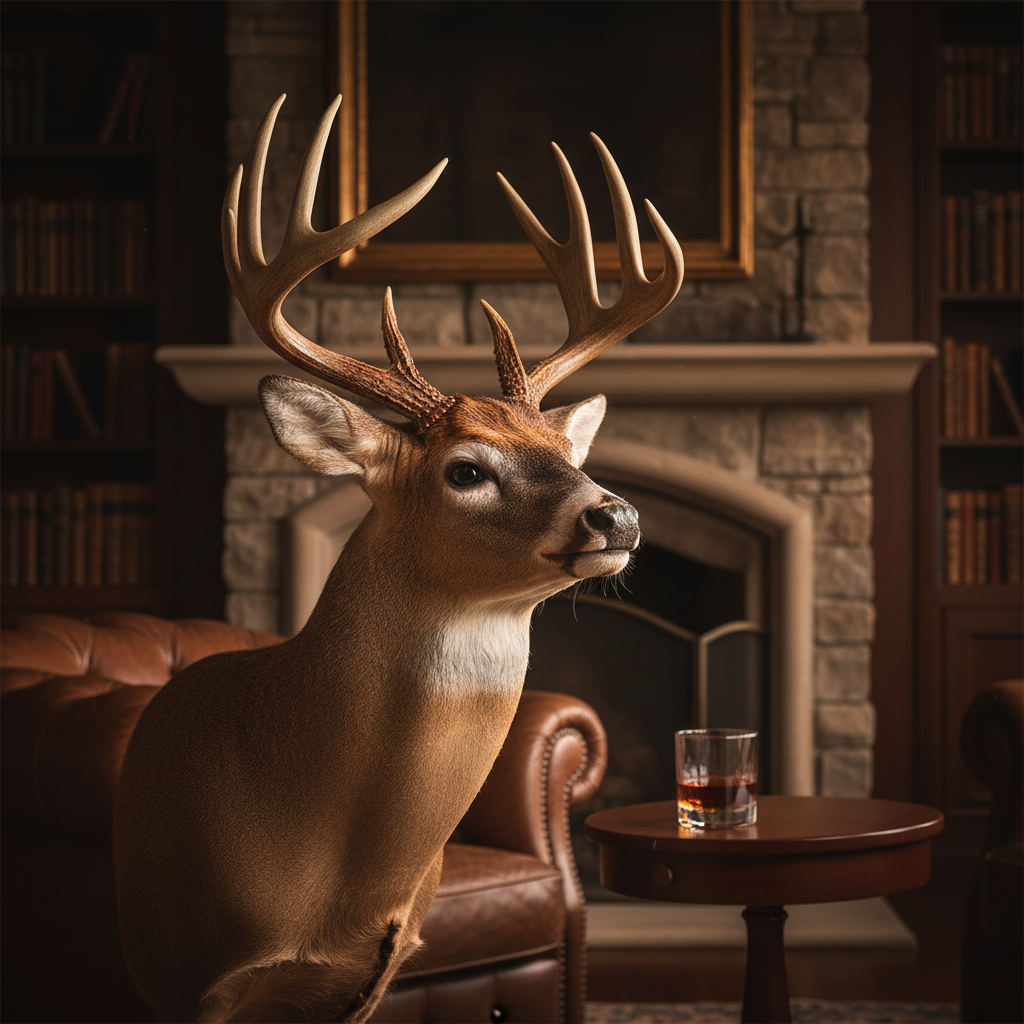
Mount Cleaning Tips: The Heritage Care Guide for Pro Mounts
